


WordPress Users by Country and Region
Geographic WordPress statistics show interesting patterns in global adoption, with big variations reflecting local internet markets, developer communities, and business practices across different regions.
Top WordPress Users by Country
- Japan: 58.5% of websites use WordPress
- Germany: 52.3% WordPress adoption
- United States: 48.2% of sites are on WordPress
- United Kingdom: 46.8% WordPress market share
- France: 45.1% WordPress usage
Japan’s 58.5% adoption rate is the highest in the world, possibly because of the preference for open-source solutions and a big local developer community.
Countries by Total WordPress Sites:
- United States: 85 million WordPress sites
- Germany: 12 million WordPress websites
- United Kingdom: 8 million WordPress installations
- Brazil: 6 million WordPress sites
- India: 5 million WordPress websites
The US has the most absolute numbers but third in percentage of adoption, because of the massive overall web presence. This shows WordPress’s success in both mature and emerging digital markets.
WordPress Users by Country — Language and Localization:
WordPress is translated into 208 languages and locales worldwide, that’s why it’s so global.
Google Trends data shows the highest search interest for WordPress related terms in Pakistan, China, Bangladesh, Bosnia, and Kenya, so there’s a lot of growth potential in these emerging markets. This interest will grow as internet infrastructure and business digitization develop.
The geographic distribution also shows WordPress’s adaptability to different business cultures and technical requirements. European markets have high adoption rates, maybe because of GDPR compliance and the local developer community, while Asian markets are growing fast as digital transformation accelerates.
WordPress Version Distribution and Updates
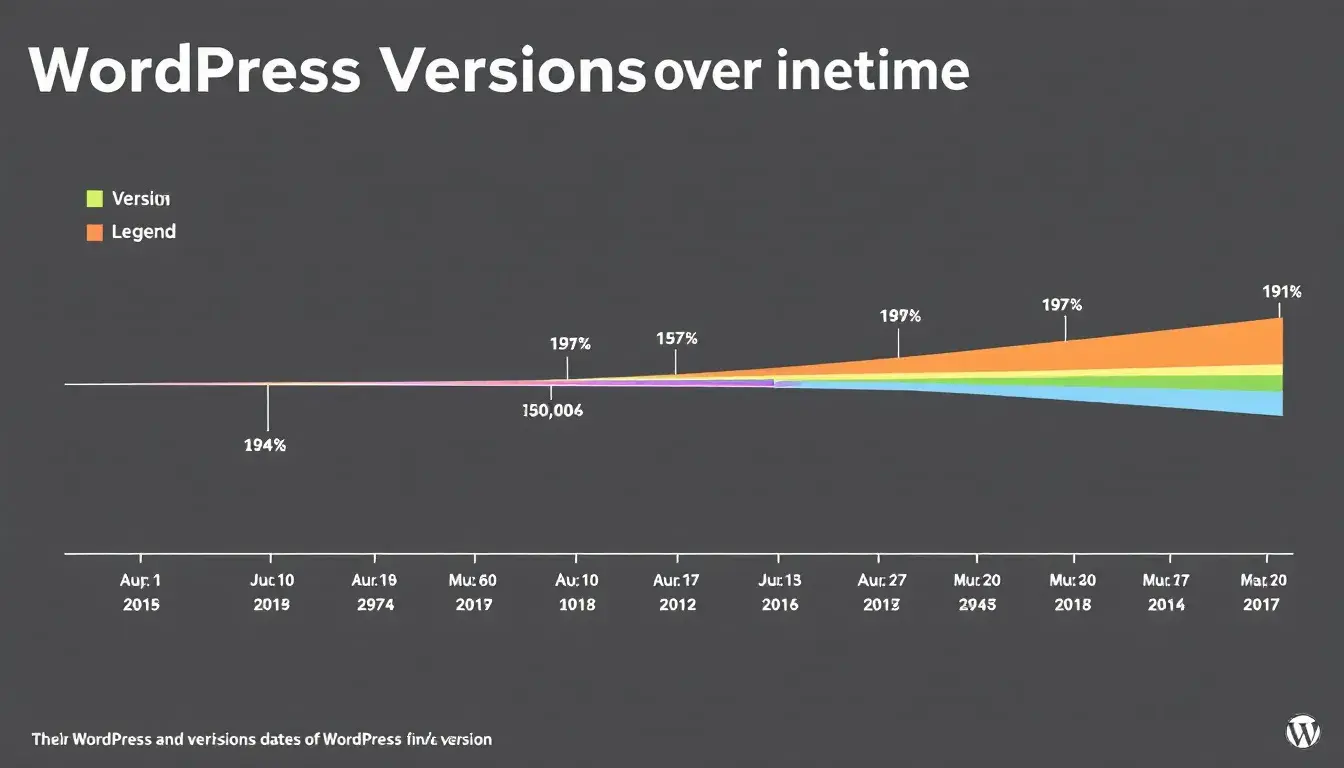
WordPress version statistics give us insights into user behavior, security practices, and platform evolution. Current data shows WordPress 6.7 is running on 66% of all WordPress installations, which is a relatively high adoption of recent versions among WordPress users.
Version Distribution Breakdown:
- WordPress 6.7: 66% of installations (current stable version)
- WordPress 6.8: 3.6% adoption within the first months of release
- WordPress 6.6 and earlier: 30.4% of remaining installations
- Outdated versions (5.x and earlier): 8% of sites
The fast adoption of WordPress 6.7 shows the improved automatic update mechanism and user awareness of the security benefits of staying current. But 30.4% running older versions shows there’s still a challenge in update adoption across the WordPress ecosystem.
Since WordPress was launched in 2003, the platform has released 52 major versions named after jazz musicians; that’s a tradition that adds personality to technical development. Over 760 total releases, including security patches and minor updates, show the development velocity and commitment to the platform.
PHP Version Compatibility:
54% of WordPress sites are on PHP 8+ in 2025-2026, which is an improvement. Newer PHP versions bring speed and security improvements.
The remaining 46% of sites on older PHP versions are vulnerable and slow. That’s the challenge of coordinating updates across hosting providers, site owners and technical administrators in the distributed WordPress ecosystem.
Update Patterns and Security:
67% of WordPress installations have automatic updates enabled, which is how WordPress keeps security across the massive user base. That’s also how WordPress respects user control preferences.
The version distribution also shows the update patterns for major feature releases. The block editor (Gutenberg) required a lot of user education and theme compatibility, which is why site owners delayed the update.
WordPress Development and Technical Statistics
WordPress’s technical infrastructure statistics show the diverse hosting environments and technology stacks behind millions of WordPress websites. Understanding these patterns helps in hosting decisions and development strategies.
Database Technology Distribution:
- MySQL: 51% of WordPress installations
- MariaDB: 49% of WordPress sites
That’s almost a 50/50 split between MySQL and MariaDB; that’s hosting provider preference and performance consideration. MariaDB’s strong showing means most hosting companies serving the WordPress ecosystem are using this MySQL-compatible alternative.
Web Server Technology:
- Apache: 67% of WordPress websites
- Nginx: 31% of WordPress installations
- Other servers: 2% (LiteSpeed, IIS, etc.)
Apache is still the king; that’s because it’s been around for a long time, and most hosting providers use it. But Nginx is 31% which is a big chunk, especially for sites that prioritize speed and scalability.
WordPress REST API and Headless Implementations:
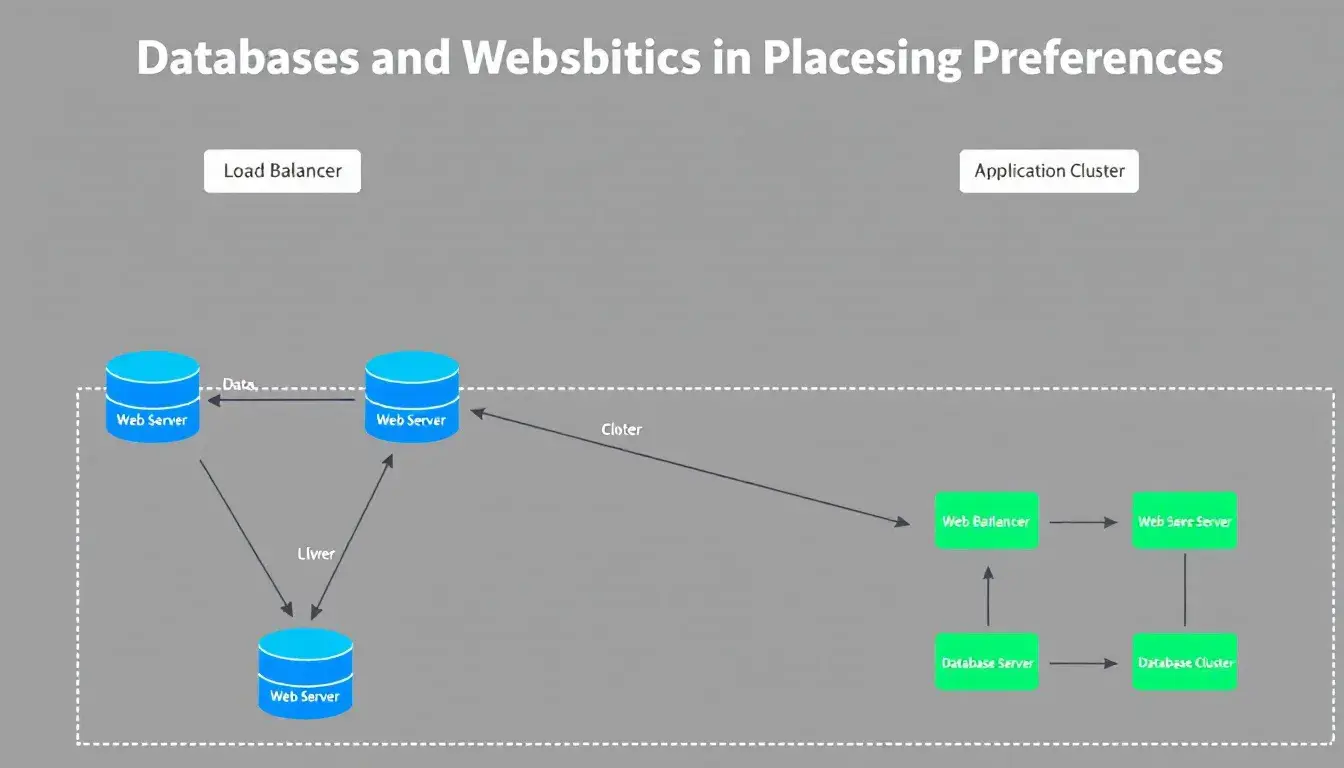
The WordPress REST API allows for headless CMS implementations where WordPress is the backend content management system and the frontend presentation is done with different technologies. This architecture supports modern development practices and performance optimization.
Headless WordPress is growing especially in enterprise environments where custom user interfaces or mobile apps are required. The REST API’s robustness allows developers to use WordPress’s content management capabilities while having flexibility in the presentation layer technologies.
Performance and Optimization:
Average WordPress site loads in 2.8 seconds globally, but this varies greatly based on hosting, theme, and plugin usage. Site performance affects search rankings and user experience, so optimization is crucial for WordPress site owners.
The stats also show widespread adoption of performance optimization practices. Content delivery networks (CDNs) are used by 45% of WordPress sites, while caching plugins are installed on 62% of installations, showing growing awareness of performance importance. For a broader software adoption baseline, the SaaS market size by country helps anchor the numbers.
Security Technology Adoption:
HTTPS protocol is used by 78% of WordPress sites, a big improvement from previous years. This adoption rate is due to search engine ranking factors and increased security awareness among website owners.
SSL certificate adoption varies by hosting provider and geographic region, managed WordPress hosting services are near 100% HTTPS while shared hosting is behind.
WordPress Market Trends and Future Projections
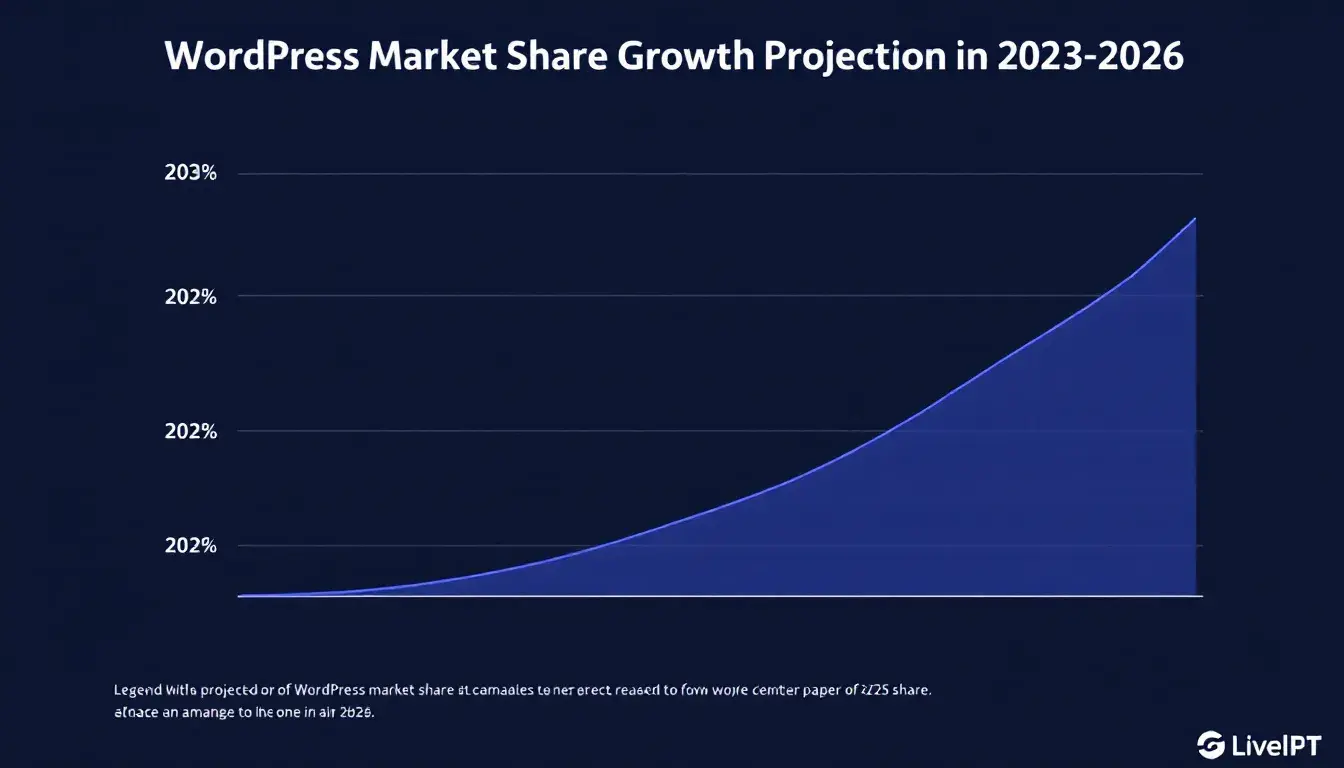
WordPress market share projections show continued growth; analysts estimate 45-47% total WordPress usage and market share by 2026. This projection is due to digital transformation, small business website adoption, and WordPress’s expansion in emerging technology areas.
Key Growth Drivers:
- AI Integration: WordPress compatibility with AI tools and content generation platforms, including integrations with emerging AI governance platforms that help organizations manage models.
- Mobile-First Development: Responsive design and mobile optimization
- E-commerce Expansion: WooCommerce growth and online business
- Enterprise Adoption: Headless CMS implementations for big organizations
Block editor (Gutenberg) adoption is growing steadily, and WordPress is evolving to modern, visual content creation. This editor redesign is for user experience improvement and backward compatibility with existing WordPress themes and plugins.
Emerging Technology Integration:
Headless WordPress implementations are on the rise in the enterprise space, allowing companies to leverage WordPress’s content management capabilities while using custom frontend tech. This architecture supports modern development practices, such as JAMstack and progressive web apps.
Mobile-first indexing compliance is at 89% of WordPress sites, showing WordPress has adapted to Google’s mobile-first ranking factors. 89% is a high compliance rate for search engine optimization.
Competitive Landscape:
WordPress is gaining strength over traditional competitors and no-code platforms. While Wix and Squarespace are for non-technical users, WordPress is for businesses that need scalable and customizable solutions.
The platform can serve simple sites and complex applications, so it’s competitive against specialized platforms. Instead of losing market share to niche players, WordPress gains functionality through plugin development that matches specialized platform features.
Industry Trends:
News sites are adopting WordPress for content management and SEO. Media organizations like WordPress’s editorial workflow, multi-author support, and customization options for content presentation.
Educational institutions are using WordPress for departmental sites, course management, and student portfolio systems. Multi-site and user role management makes it attractive for large institutional deployments, while content flexibility also supports student resources on real-world topics such as paying off student loans.
WordPress vs No-CMS Websites
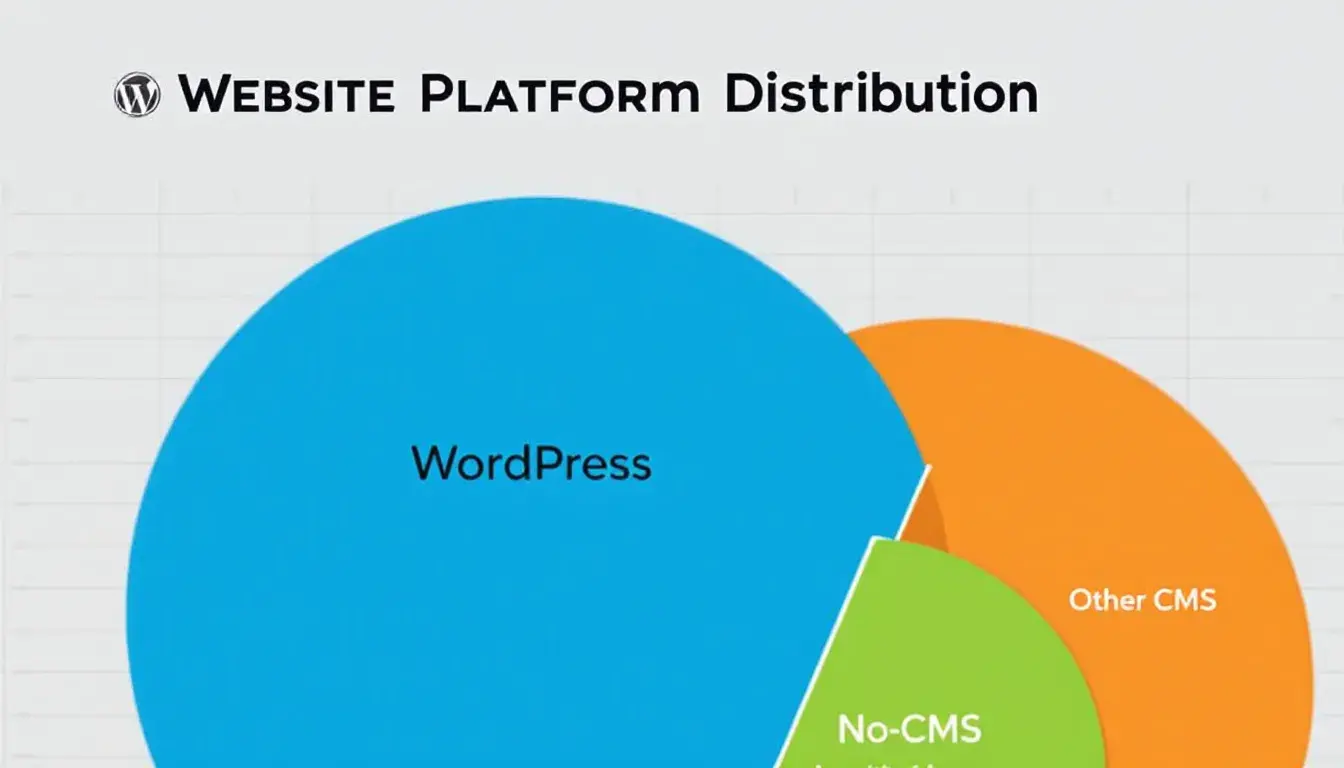
The relationship between WordPress growth and overall CMS adoption shows interesting trends in web development. 28.6% of websites are no-CMS in 2025-2026, that’s a big market that’s moving towards content management systems.
Website Technology Distribution:
- WordPress: 43.4% (CMS leader)
- Other CMS platforms: 27.9% (Shopify, Wix, etc.)
- No identifiable CMS: 28.6% (static sites, custom builds)
- Static site generators: 2.1% (Gatsby, Jekyll, etc.)
The 28.6% no-CMS segment includes custom-coded sites, static HTML sites and proprietary systems that don’t match standard CMS signatures. This segment is either very simple sites or highly customized applications built without standard content management systems.
WordPress growth is directly correlated with overall CMS adoption. As businesses realize the benefits of content management systems (easier updates, SEO, security patches) many are migrating from static sites or custom coded cms solutions to platforms like WordPress.
Migration Patterns:
Static site generators account for 2.1% of total web presence, a small but techy segment. These tools are for developers who like build-time compilation and static hosting, but require more technical expertise than traditional CMS platforms.
Custom-built CMS solutions are 1.8% of the market, declining bespoke content management development. Most organizations prefer established platforms like WordPress over custom development due to cost, maintenance, and feature considerations.
Business Implications:
The cms market is showing a clear preference for established platforms over custom solutions. WordPress benefits from this trend because of its flexibility, community support, and cost effectiveness vs custom-coded cms alternatives.
Many businesses find that WordPress’s extensibility through themes and plugins provides customization capabilities similar to custom development, but with better long-term maintainability and security updates.
The remaining no-CMS websites are growth opportunities for WordPress and other content management systems. As digital marketing grows and search engine optimization becomes critical for business success, static websites will migrate to CMS platforms that support these requirements.
WordPress Community and Contribution Statistics
The WordPress community is one of the platform’s greatest strengths, with massive volunteer contributions and global participation supporting continuous platform development and improvement.
WordPress.org reports 60+ million downloads per month, which is a lot of ongoing adoption and update activity across the WordPress ecosystem. These downloads include new installations, version updates, and reinstallations, reflecting the active user base.
Community Engagement Metrics:
- WordPress Slack: 180,000+ active members discussing development and support
- WordCamp Events: 100+ cities worldwide hosting WordPress conferences
- Core Contributors: 5,000+ active contributors across core development
- Translation Contributors: Thousands translating WordPress into 208 languages
The WordPress Slack community is a real-time support and development coordination, where developers, designers, and users from all over the world collaborate.
WordCamp events show the global reach and community engagement of WordPress. These conferences happen on six continents, providing education, networking, and contribution opportunities for local WordPress communities.
Development Contribution Patterns:
WordPress Foundation oversees the open-source project governance, ensuring the development serves the community interests, not single commercial entities. This governance structure keeps WordPress open-source while coordinating large scale development.
The 5,000+ active contributors include developers working on core functionality, security patches, documentation, and community support. This distributed development model allows for rapid response to issues and continuous improvement.
Economic Community Impact:
The WordPress economy is estimated to be $634 billion annually worldwide, with 600,000+ WordPress-related jobs globally. This economic ecosystem includes developers, designers, hosting providers, plugin creators, and service agencies that specialize in WordPress development.
This economic impact shows WordPress is more than just a software platform; it’s a full ecosystem that supports millions of livelihoods and businesses worldwide.
Performance and Security Statistics
WordPress performance and security statistics are important for WordPress site owners and developers considering platform adoption and optimization.
Performance Benchmarks:
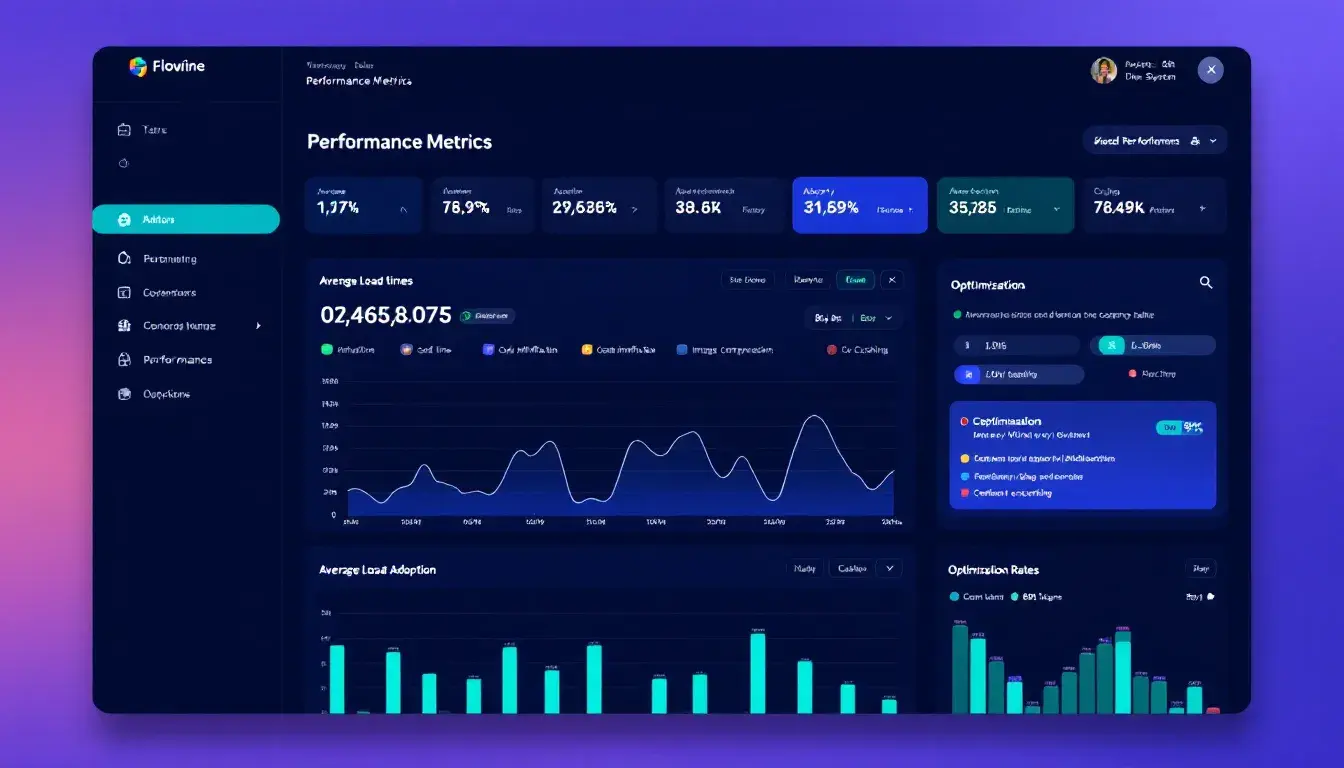
Average WordPress site loads in 2.8 seconds globally, but performance varies greatly depending on hosting, theme, and plugin configuration. This loading speed is within the acceptable range for search engine optimization and user experience.
Performance optimization adoption is growing among WordPress users:
- CDN Usage: 45% of WordPress sites use content delivery networks
- Caching Plugins: 62% of installations use caching optimization
- Image Optimization: 38% use automated image compression
- Database Optimization: 22% optimize database performance regularly
Security Landscape:
WordPress security stats show both good and bad. As the most popular platform, it’s a target for attacks so you need to be proactive with your security.
Security Adoption Rates:
- HTTPS: 78% of WordPress sites are encrypted
- Security Plugins: 55% have dedicated security plugins (Wordfence, Sucuri)
- Auto Updates: 67% have auto updates enabled
- 2FA: 23% have 2FA enabled
There are 15-20 WordPress security vulnerabilities per year across the entire ecosystem (core, themes, plugins). Most of them are in 3rd party plugins not WordPress core, so plugin selection and maintenance is key.
Security Best Practices Adoption:
The 67% auto update rate shows WordPress makes security updates seamless. Auto updates protect sites from known vulnerabilities without requiring site owners to do anything.
2FA adoption at 23% means there’s room for improvement in login security. Many WordPress site owners rely on username/password combinations and miss out on extra account protection.
71% of WordPress sites have regular backups, which is good preparation for security incidents or data loss scenarios. Cloud backups and automated backup plugins contribute to this rate.
WordPress Business and Economy
The WordPress economy is one of the largest open-source economies in the world, generating huge economic activity and employment opportunities across multiple industries and regions.
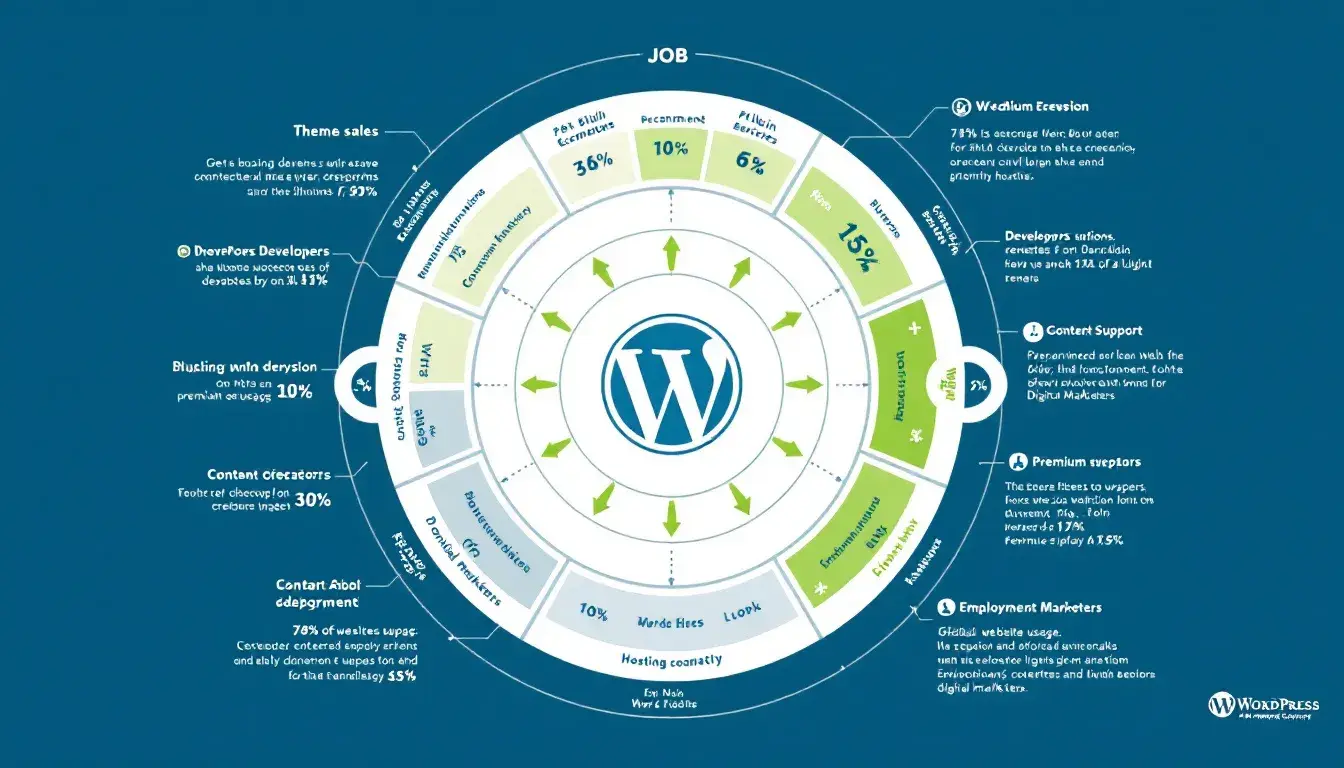
The WordPress economy is estimated at $634 billion annually worldwide, including hosting services, development agencies, theme and plugin sales, and related services. This is not just direct WordPress sales but the total economic activity enabled by the platform.
Jobs and Employment:
WordPress supports 600,000+ WordPress-related jobs globally, including developers, designers, marketers, content creators, and support specialists. This is from freelance specialists to large agencies and hosting companies built around WordPress services.
Average WordPress developer salaries vary by region and experience:
- United States: $72,000-$95,000
- Europe: €45,000-€65,000
- Asia-Pacific: $25,000-$45,000
- Freelance rates: $50-$150 per hour globally
- Hosting Market Value: The WordPress hosting market is valued at $15.3 billion in 2025-2026 for specialized hosting services optimized for WordPress performance and security. This includes managed WordPress hosting, VPS, and dedicated servers for WordPress.
Big hosting companies like WP Engine, Kinsta, and SiteGround have built multi-million dollar businesses around WordPress hosting alone, which shows how big WordPress is in the web infrastructure market.
Premium Marketplace Revenue:
The Premium theme and plugin market generates $2.1 billion per year through marketplaces like ThemeForest, CodeCanyon, and individual developer sales. This commercial ecosystem supports thousands of developers creating specialized functionality and design solutions.
The premium marketplace success shows there is strong demand for professional-quality extensions beyond what’s available in free directories. Many WordPress users are willing to pay for premium solutions for extra functionality, support, and design.
Agency and Service Provider Market:
WordPress development agencies are a big part of the platform’s economic impact. Thousands of agencies worldwide specialize in WordPress development, offering services from simple website creation to complex enterprise implementations.
This service ecosystem includes:
- Development agencies: Custom theme and plugin creation
- Digital marketing agencies: SEO and content marketing services
- Hosting providers: Specialized WordPress infrastructure
- Training and education: WordPress skills development
For a commerce-platform benchmark, Shopify usage statistics worldwide is a relevant comparison.
Conclusion
The distributed nature of this economy shows that WordPress enables small business entrepreneurship and freelance opportunities globally. Many individuals build successful businesses around WordPress expertise and contribute to the overall economic impact.
WordPress stats for 2025-2026 show it’s in the lead, powering 43.4% of all websites worldwide – over 564 million active installations. From simple blogging software to a versatile platform, WordPress serves everything from small blogs to enterprise applications.
With 61.3% of CMS users, WordPress is the clear market leader. It’s global reach is supported by 208 languages and strong local developer communities. Technically, it’s modern, 78% HTTPS, and 89% mobile-first indexing.
Economically, it drives $634 billion per year and supports over 600,000 jobs worldwide. Growth is expected to continue, 45-47% market share by 2026, driven by AI, headless CMS, and e-commerce.
These stats prove WordPress is the platform of choice for web content management, trusted by businesses and developers for stability, community and adaptability in the ever changing digital landscape.
Along with WordPress, social platforms reveal fascinating global usage patterns. Don’t miss our reports on Instagram users by country, the fast-growing Canva user base across countries, and the evolving OnlyFans statistics by country.


